Periodontitis
Slight bleeding during brushing or sensitive gums are often dismissed as harmless. Yet, behind this lies much more than a temporary irritation: periodontitis – commonly known as gum disease – is a chronic inflammation of the periodontium (the supporting structures of the teeth) and one of the leading causes of tooth loss in adults.
The tricky part? The condition often develops painlessly, remaining undetected for years.
What Happens During Periodontitis?
It usually begins with a simple gum inflammation (gingivitis), triggered by the buildup of bacterial plaque. If this plaque isn’t regularly removed, bacteria accumulate along the gumline.
Left untreated, the inflammation spreads deeper into the tissue:
- Periodontal pockets form: The gums gradually detach from the tooth.
- Bone loss: The infection attacks the surrounding jawbone.
- Tooth loss: Lacking a stable anchor, teeth become loose and may eventually fall out.
Did you know? Periodontitis doesn’t just affect your mouth. Ongoing infection sites can enter the bloodstream, impacting your overall health and increasing the risk of cardiovascular disease or diabetes complications.
Early Warning Signs – What to Watch For
Pay attention to the following symptoms so you can take action early:
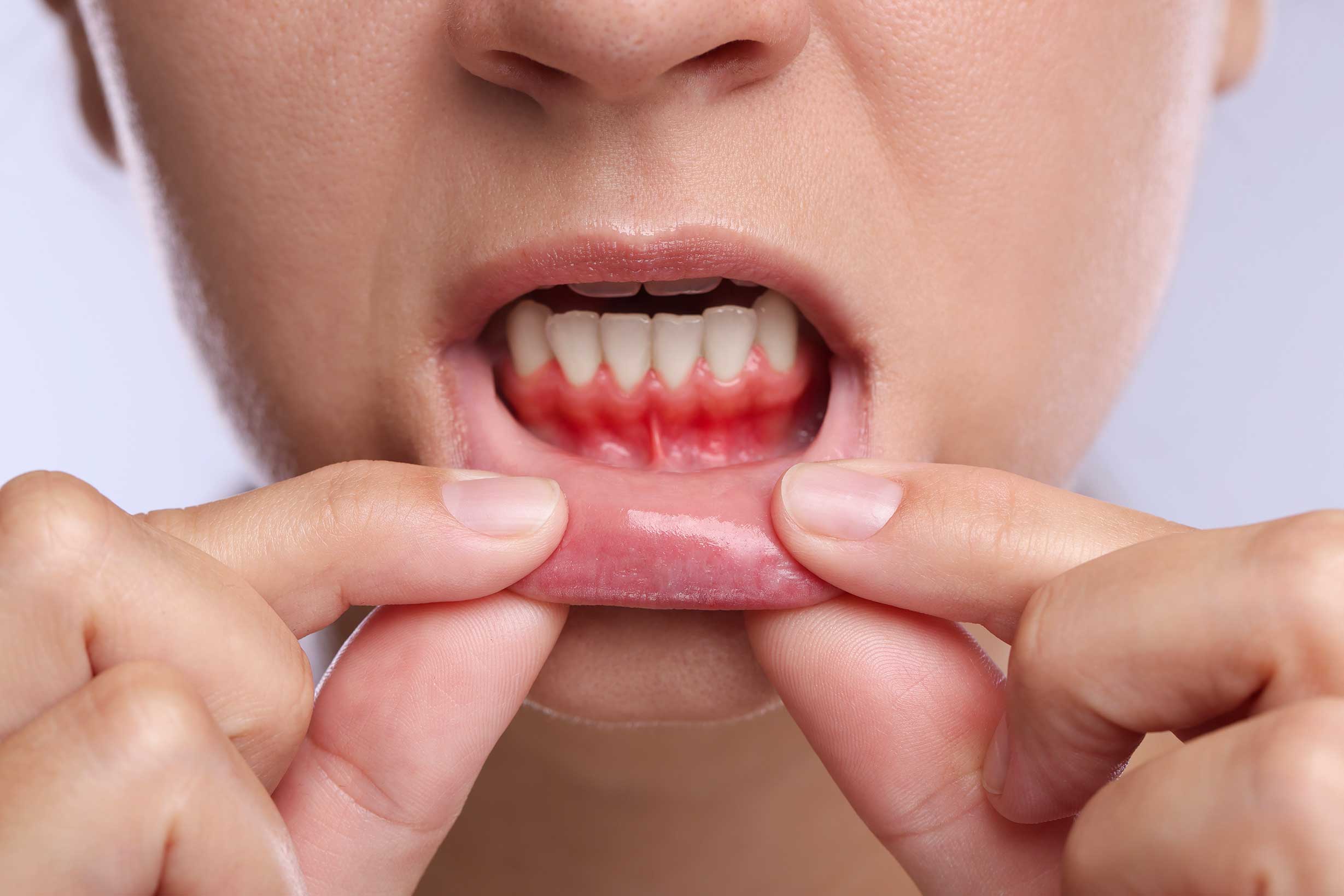
- Bleeding gums when brushing or eating
- Red or swollen gum tissue
- Bad breath or a persistent unpleasant taste in your mouth
- Receding gums (teeth appear visually “longer”)
- Loose teeth in more advanced stages
Modern Treatment: Gentle & Effective
The good news: periodontitis can be stopped gently and effectively today. Modern periodontics relies on a multi-step, gentle approach:
- Pre-treatment & Guidance: Plaque removal through professional teeth cleaning and optimizing your daily home care routine.
- Deep Cleaning (Anti-infective Therapy): Under local anesthesia, deep periodontal pockets and root surfaces are gently cleaned to remove bacteria and tartar.
- Aftercare (Supportive Periodontal Therapy): Regular check-ups and maintenance cleanings secure long-term success and prevent recurrence.
How to Effectively Prevent It
Prevention remains the best protection against periodontitis:
- Thorough Home Care: Brush twice daily and use interdental brushes or dental floss daily to clean between your teeth.
- Professional Dental Cleanings: Schedule cleanings once or twice a year with your dentist to remove stubborn deposits in hard-to-reach areas.
- Regular Check-ups: Your dentist can spot early signs of inflammation before damage to the bone occurs.
Conclusion
Bleeding gums aren’t something you just have to live with—they are a warning sign from your body. With proper care and regular dental support, periodontitis can be successfully managed, ensuring your natural teeth last for a lifetime.